Application brief
List fiber content, garment color, print area, white coverage, placements, order quantities, and required hand feel.

The most useful first conversation identifies the actual garment, artwork, run pattern, cure route, facility, operator model, and quality protocol. Commercial availability and regional service terms must be confirmed for the selected configuration.
List fiber content, garment color, print area, white coverage, placements, order quantities, and required hand feel.
State shifts, staffing, target dispatch window, humidity control, available curing equipment, ventilation, and floor access.
Name the color reference, wash method, cycle count, conditioning period, durability threshold, and approval owner.
Do not send confidential artwork, personal consumer data, payment-card information, or regulated content through this general form. A project contact can arrange the appropriate exchange method if detailed files are required.
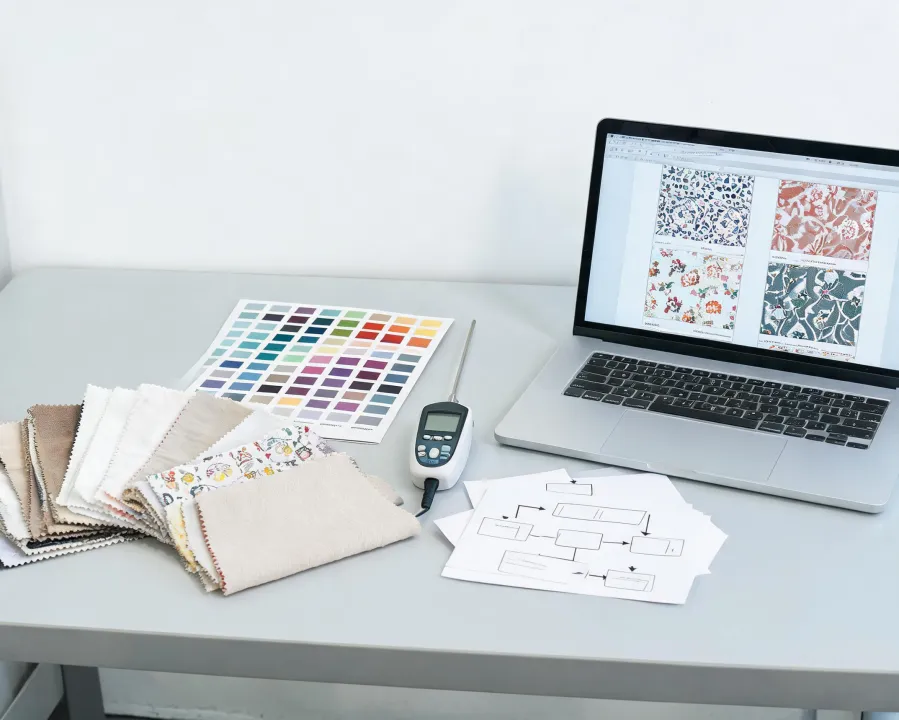
We first screen the request for application fit and missing facts. If a trial is appropriate, the next step is to agree on representative materials and an acceptance protocol. A schedule, configuration, regional service scope, pricing, and any claims about output or cost remain subject to a written proposal and test conditions.
The trial record should identify the printer configuration, software and RIP version, ink set, garment lot, pretreatment method, ambient temperature and humidity, artwork revision, print mode, curing equipment, measured textile surface temperature, dwell time, pressure, conditioning interval, and wash procedure. If one of these inputs changes, the result belongs to a new comparison rather than the original baseline.
Keep one approved and one failed sample from the trial. Together with the process record, they make later diagnosis more reliable than an unlabelled photograph or a remembered machine setting. Output observed during a prepared demonstration should also be separated from sustained shift output, because loading, maintenance, changeover, quality holds, reprints, and pack-out consume elapsed time.