
Kornit Logo
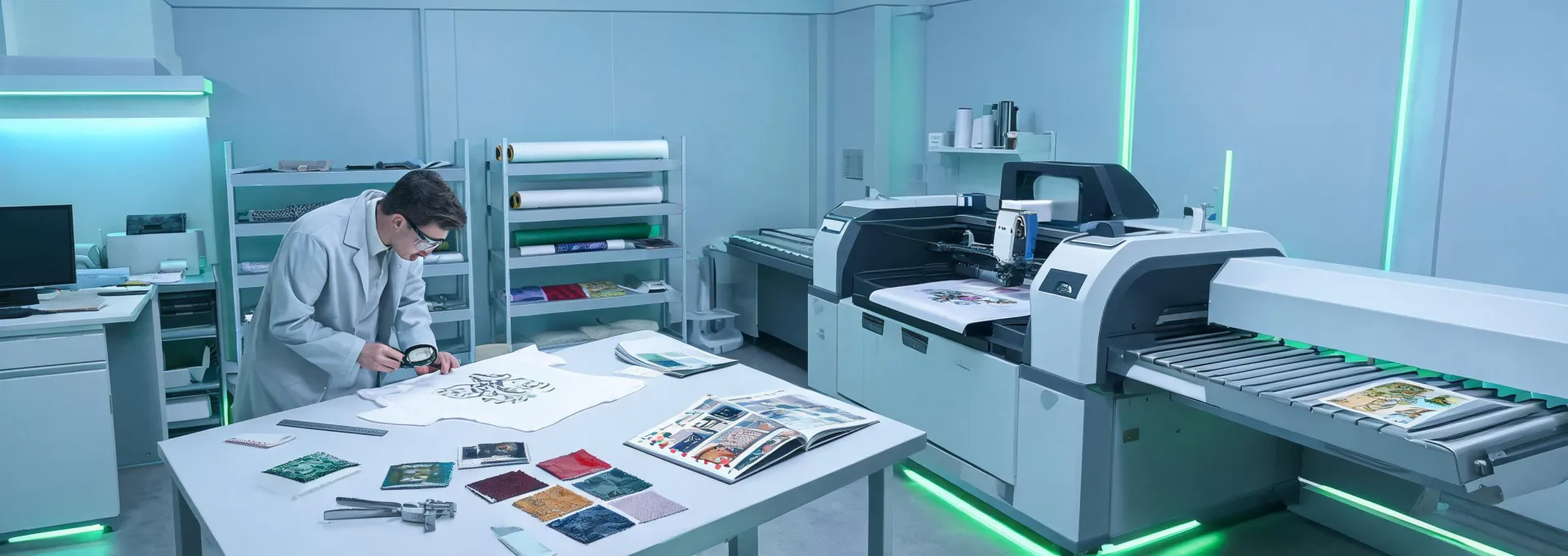
Application engineer reviewing garment print workflow
Application services

Kornit service planning from sample brief to shift handoff

A useful service plan connects the printer, ink, pretreatment, garment, curing equipment, operator routine, and acceptance method. Each stage below produces a concrete record, so teams can distinguish a machine issue from substrate variation or an unlogged process change.

Four linked workstreams

Move evidence forward with the job

01 / Brief

Application discovery

Start with fiber content, garment construction, artwork size, white-ink coverage, color tolerance, intended hand feel, expected wash life, run length, shifts, and changeover frequency. Facility inputs include temperature, relative humidity, ventilation, available power, curing equipment, and service clearances. Missing inputs are logged as assumptions rather than quietly treated as facts.
02 / Trial

Controlled sample run

A representative test holds artwork and garment lot constant while teams record pretreatment coat weight, drying condition, print mode, ink laydown, cure temperature at the textile surface, dwell time, and pressure. Output is judged after the agreed conditioning period. A visually acceptable first print is not a substitute for the documented wash method.

03 / Ramp

Production readiness

Ramp review includes loading time, RIP queue behavior, nozzle-check routine, planned cleaning, job changeover, rejection reasons, and pack-out. Throughput is reported as a sustained observed range for the tested job mix; it is not represented as a universal rate. Operators receive a recipe, exception path, and escalation contacts.

04 / Review

Evidence-based support

When output changes, support begins with the approved reference and recent process log. Technicians compare nozzle status, ambient conditions, garment lot, pretreatment, curing measurements, and maintenance events. Remote diagnosis can shorten triage, but mechanical intervention, consumable replacement, and local response time depend on the contracted service scope and parts availability.

6

trial variables logged per recipe

3

environment readings at trial start

2

routes compared when DTG and DTF overlap

1

approved reference retained for review

These figures describe the recommended documentation framework, not fleet performance claims. Service response, uptime, output, and consumable use vary by configuration, region, workload, maintenance discipline, and contract.

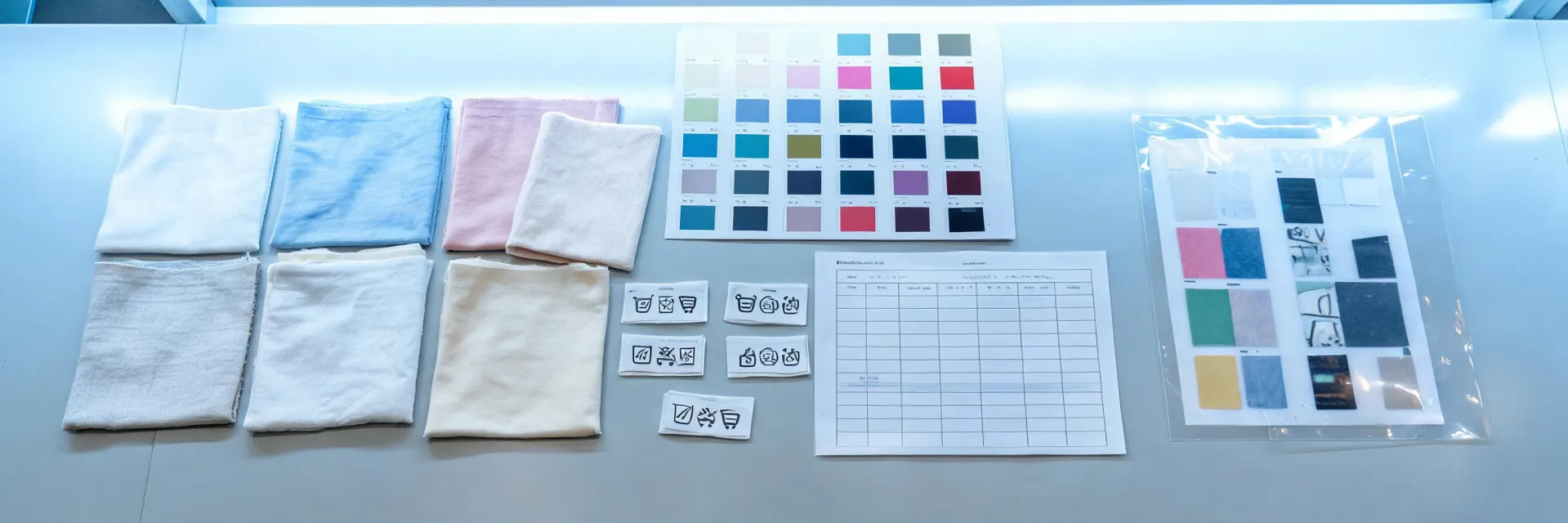
Garment samples arranged for a print trial

Define the trial before reserving press time

Send one representative garment, artwork coverage, desired output range, cure method, and test requirement. We will structure the questions that should be answered during the evaluation.

Prepare a Trial Brief